Here you will find further information on ordering, film formats, codecs and our FAQ.
We develop all common film types in all currently available photochemical processes, i.e:
Color negative (ECN-2): 8mm, 16mm, 35mm
Black and white negative (D-96): 16mm, 35mm
Color reversal E-6): 8mm, 16mm, 35mm
Color positive (ECP-2): 8mm, 16mm, 35mm
Black and white reversal: 8mm, 16mm
Black-and-white postives (print): 16mm, 35mm
For 16 & 35mm films, we work almost exclusively with the industry-leading high-end scanners from ARRI and DFT, specifically:
ARRISCAN XT - up to 6K incl. wetgate
SCANITY HDR - up to 4K (VistaVision 6.5K)
We digitize films to the highest technical standards, ensuring that you get the best possible film scans - at the same quality level as in London, Paris or Los Angeles.
For 8mm work, we mainly use the excellent scanners of our long-standing partner Kornmanufaktur. On request, however, we can also digitize 8mm material with the DFT Scanity.
Yes, we usually always have enough 8 & 16mm material in stock, both in 100ft / 30.5 M Bolex reels and in 400ft / 122m reels, to shoot a feature film spontaneously 🙂 For larger orders, however, we ask for a little lead time or clarification of availability.
35mm material is usually available in small quantities on site. However, stock levels can vary greatly depending on production volumes. We are happy to supply productions with fresh Kodak 35mm negative and Ektachrome material. Please contact us directly for this - we will then clarify the details individually according to your requirements.
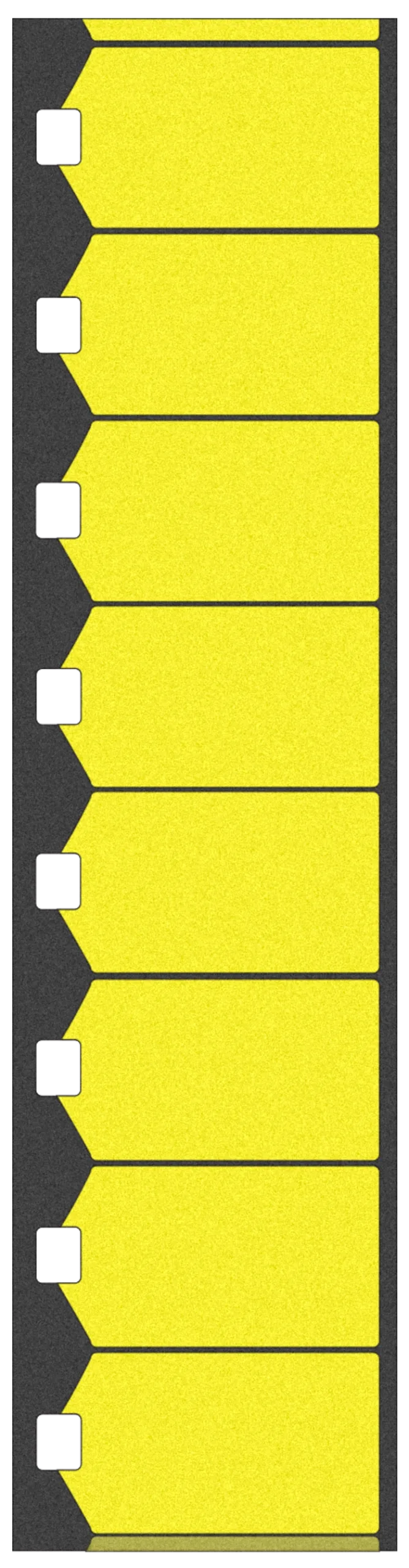
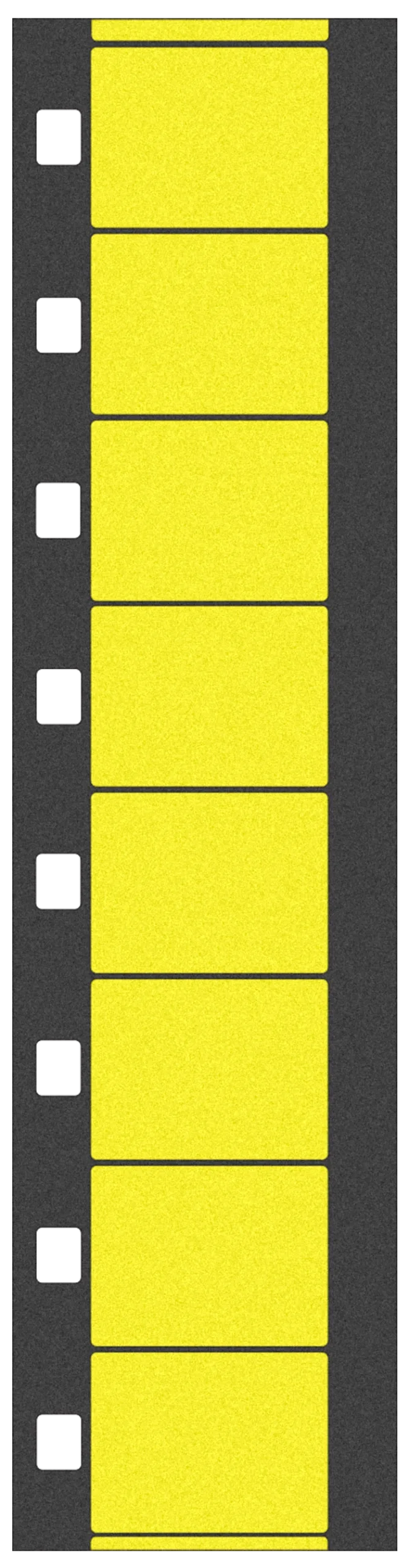
Super8 is a cine film format introduced by Kodak in 1965 that has replaced Normal8.
The advantage of Super8 film lies in its easy handling and the slightly larger film surface. With smaller perforations that are closer to the edge of the film, a physically larger image fits on the 8mm film than is possible with the normal 8 format.
Super8 film is available today as color negative from Kodak (Vision3 50D, 200T & 500T) and from ORWO (Wolfen NC400), as well as color reversal film from Kodak (Ektachrome 100D) and black and white reversal film (Kodak Tri-X Reversal). More below.
Da alle Daten bereits vorhanden sind, und der Auftrag bereits bezahlt ist, geht es im Labor deutlich schneller, sobald der Film bei uns ankommt. Bei Super8 verringert sich die durchschnittliche Bearbeitungszeit von 14 auf ca. 10 Werktage.
We make every effort to process all orders as quickly as possible. 16 & 35mm jobs are usually developed and scanned daily, and turnaround times vary depending on the urgency of same day development & scanning, up to normal turnaround times of 2-4 days.
8mm Aufträge werden einmal wöchentlich entwickelt und gescannt. Farbnegativfilm Mittwochs, mit Annahmeschluss Dienstags bis 15 Uhr. Farbumkehr und Schwarzweißumkehr wird Donnerstags, mit Annahmeschluss Mittwochs bis 15 Uhr entwickelt. Die Auslieferung der Scans erfolgt in der Regel in ca. 10 Werktage. Bei zeitkritischen Angaben bitten wir darum, über Termine vorab informiert zu werden – wir geben uns Mühe alle Termine so gut wie es geht einzuhalten.
For film productions, we offer customized service packages and can meet even the tightest deadlines of a few hours between material delivery and upload of the scans after prior registration - please contact us for this - we will then clarify everything else in a personal meeting.
Ja! Mit unseren neuen Bestellportalen im Onlineshop können S8mm Entwicklung & Scan bequem online beauftragt werden: Keine Auftragsformulare mehr und volle Preistransparenz.
Yes, the more information we have directly, the faster it is - the same applies to billing addresses / payment methods: For prepayment orders, we generally only deliver scans after receipt of payment. To avoid delays, we ask you to either clarify this in advance or to provide us with payment information.
We also ask that you label the film reels you send in clearly - in the interests of proper labeling and file naming, we request at least the following information:
Frame rate, production if available & project title.
Of course! Films can be handed in for processing at any time in our small store. We also sell film material directly on site at Kodak prices.
Small laboratory tours are also possible by prior arrangement 🙂 We look forward to seeing you!
Sometimes it can happen that the phone is not answered due to a high workload in the order office. We apologize for the inconvenience and ask you to send an email to [email protected].
As a film production company, you always have a personal contact person who is almost always available.
Yes, although the format doesn't really go through the lab every day, we have already realized several projects on 35mm 8-Perf Vista Vision.
If possible, please use our new offers for online ordering of Super8 development / scanning herer.
We accept on site in the store or after quotation:
Credit cards (VISA, American Express, EURO-Card, Mastercard), Paypal
Payment on account (for small amounts up to €50 plus €3.00 processing fee)
Payment by bank transfer
We accept online in the webshop:
Credit cards (VISA, American Express, Mastercard, Diners Club, JCB)
PayPal
Payment by bank transfer
| Prices in Euro | Prices incl. handling fee | Net price | Gross price |
|---|---|---|---|
| Developed Super8 / 8mm material | Letter mailing 1-4 films | 6,00 € | 7,14 € |
| Parcel shipping from 5 films | 8,00 € | 9,52 € | |
| Film material 16/35mm / digitizations | Parcel shipping | from 8,00 € | from 9,52 € |
| Express delivery (DHL Express - Overnight delivery) | Express shipping | from 20,00 € | |
| Please ask for other shipping methods - additional costs will be charged separately. |
| Prices in Euro | Shipping method | Quantity | Net price | Gross price |
|---|---|---|---|---|
| Developed Super8 / 8mm material | DHL International Warenpost 1-4 films (EU only) | 1-4 FIlms | 8,00 € | 9,52 € |
| Developed 16mm material, 1 x 30m | DHL International Warenpost 1 x 30m (EU only) | 1x 30m | 8,00 € | 9,52 € |
| non EU | 1x 30m | 10,00 € | ||
| Developed film material / raw film | GLS Business / FedEx Economy up to 5kg, insured up to 100€ | Super8, developed, from 5 films, 16mm from 2 films | from 20,00 € | from 23,80 € |
| Super8 raw film | GLS Business / FedEx Economy up to 5kg, insured up to 100€ | Super8, developed, from 5 films | from 20,00 € | from 23,80 € |
| Please ask for other shipping methods - additional costs will be charged separately. |
We accept
Generally prepayment, or
Credit cards (VISA, American Express, EURO-Card, Mastercard), or
Paypal
Payment on account by individual arrangement
Payment by bank transfer (all fees, incl. Paypal fees are to be paid by the customer!
| Prices in Euro | Shipping method | Quantity | Net price | Gross price |
|---|---|---|---|---|
| Developed Super8 / 8mm material | DHL International Warenpost 1-4 films (EU only) | 1-4 FIlms | 8,00 € | 9,52 € |
| Developed 16mm material, 1 x 30m | DHL International Warenpost 1 x 30m (EU only) | 1x 30m | 8,00 € | 9,52 € |
| non EU | 1x 30m | 10,00 € | ||
| Developed film material / raw film | GLS Business / FedEx Economy up to 5kg, insured up to 100€ | Super8, developed, from 5 films, 16mm from 2 films | from 20,00 € | from 23,80 € |
| Super8 raw film | GLS Business / FedEx Economy up to 5kg, insured up to 100€ | Super8, developed, from 5 films | from 20,00 € | from 23,80 € |
| Please ask for other shipping methods - additional costs will be charged separately. |
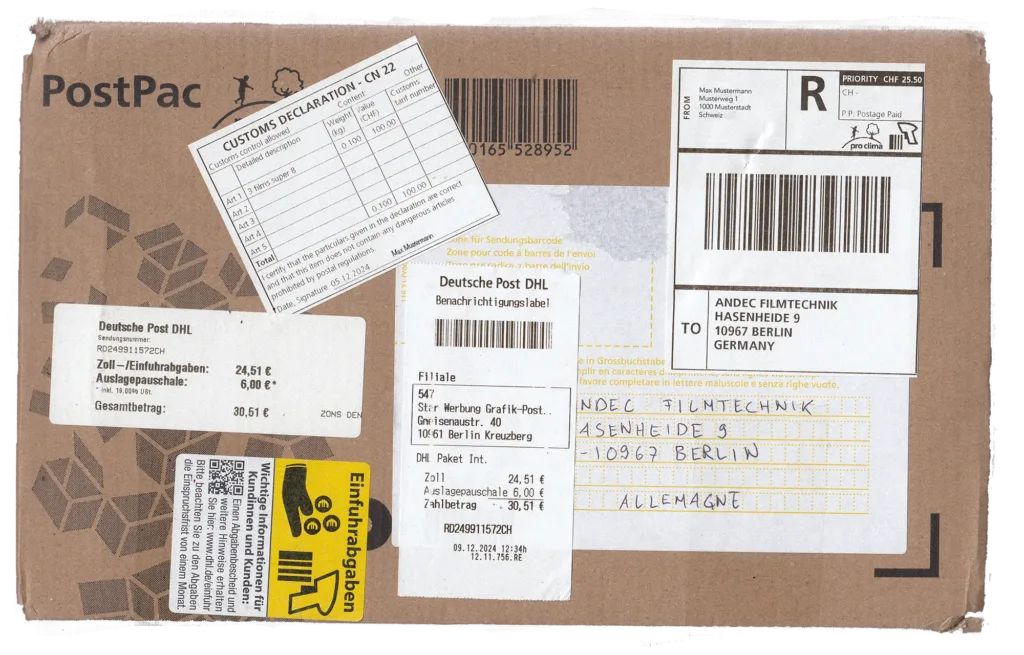
Simply fill out the proforma invoice with your name and address - and place it in a document bag so that it is clearly visible. outside on the parcel. If you have already received a quote from us, you can enter the quote number (Proforma No.) in the field on the customs invoice. If you do not have a quotation number to hand, you can simply enter any number you like. In this case, please do not forget to fill in the order form!
In order to avoid complications, we ask that you only Select shipping service providers who also carry out customs clearance. Currently these are DHL Express and FedEx. If in doubt, they will take care of customs clearance and ensure that your parcel actually arrives.
We strongly advise against sending film in postal items or postal items that are transported by postal service providers such as Royal Mail, Swiss Post or USPS to us. There is a high probability that shipments will be held up at customs.
We have paid 19% import sales tax for your shipment from abroad. We will not charge this to you. However, it can sometimes happen that shipping service providers pay this import VAT for us to enable delivery. In this case, the German postal service / UPS / DHL Express, for example, will charge a flat-rate delivery fee that we have to pay in order to receive your shipment. We will pass this on to you.
In this case, we received a consignment of three Super8 films from Switzerland. The consignment was declared with a value of 100 francs. Our pro forma invoice was not used. This had the consequence that,
a) the parcel could not be delivered to us directly and we had to pick it up at a pick-up point because payment can only be made there.
b) the delivery was delayed.
c) We had to spend €30.51 plus working time to accept the parcel.
d) we had to charge the sender unnecessary additional costs
To avoid such situations as much as possible, please use our proforma invoice for shipping from Switzerland and other non-EU countries.
400ft / 122m - 4 min 26 sec
1000ft / 305m - 11 min 06 sec
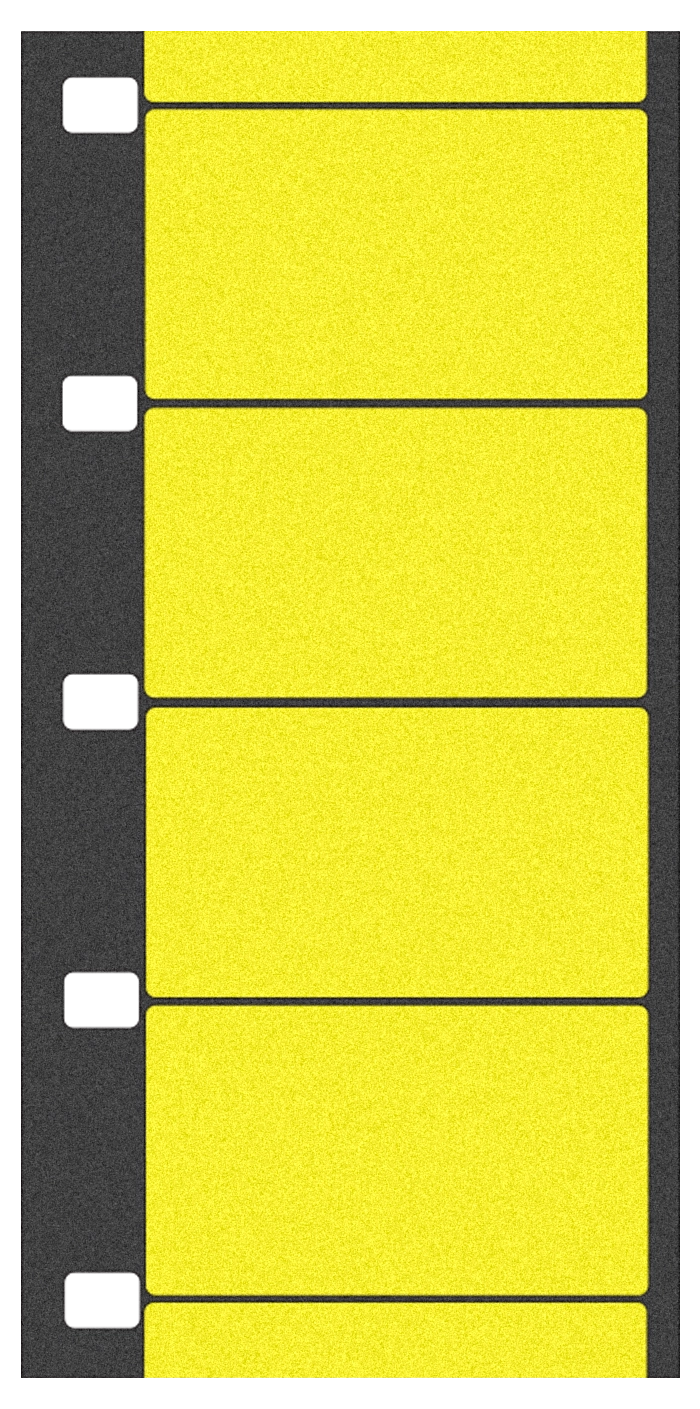
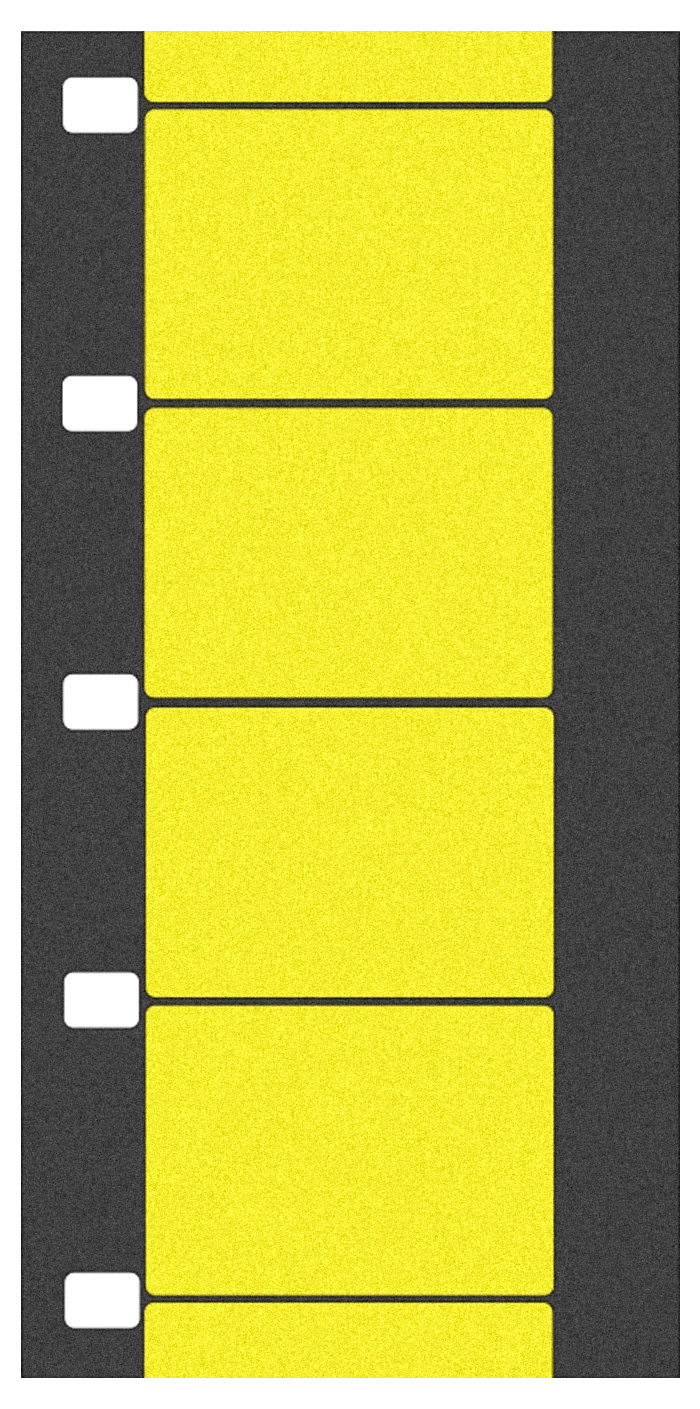
1.33:1 native / 24.89 mm x 18.67 mm
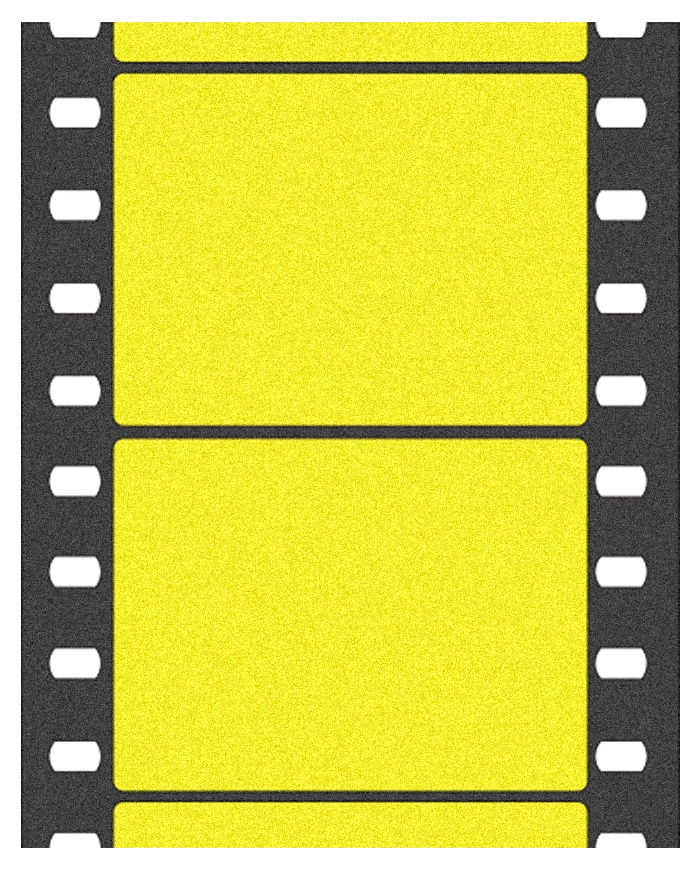
400ft / 122m - 5 min 55 sec
1000ft / 305m - 14 min 48 sec
1.79:1 native / 24.89 mm x 13.89 mm
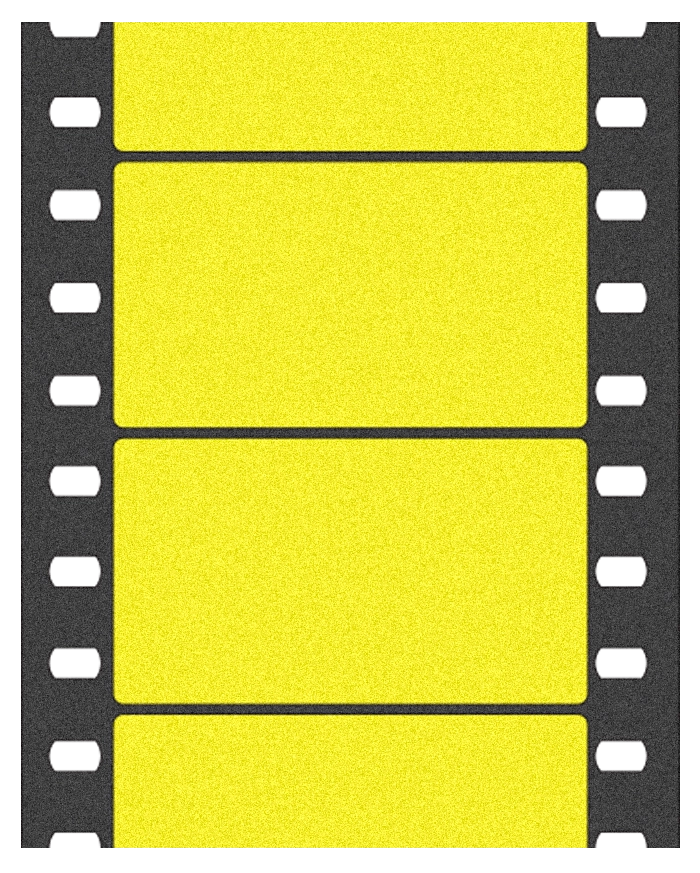
400ft / 122m - 8 min 53 sec
1000ft / 305m - 22 min 13 sec
2.66:1 native / 24.89 mm x 9.35 mm
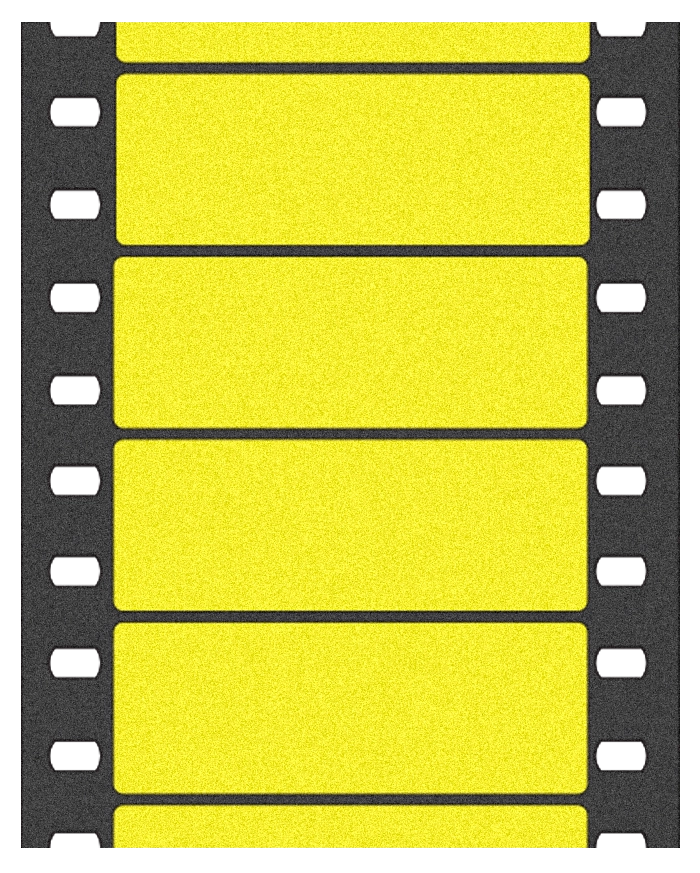
400ft / 122m - 2 min 13 sec
1000ft / 305m - 5 min 33 sec
1.49:1 native / 37.72 mm x 25.40 mm
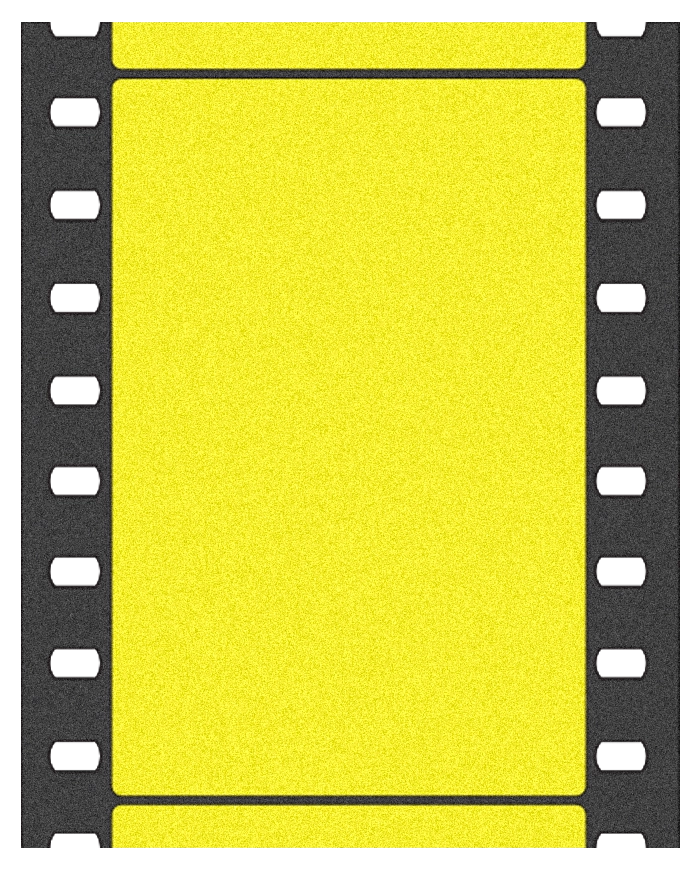
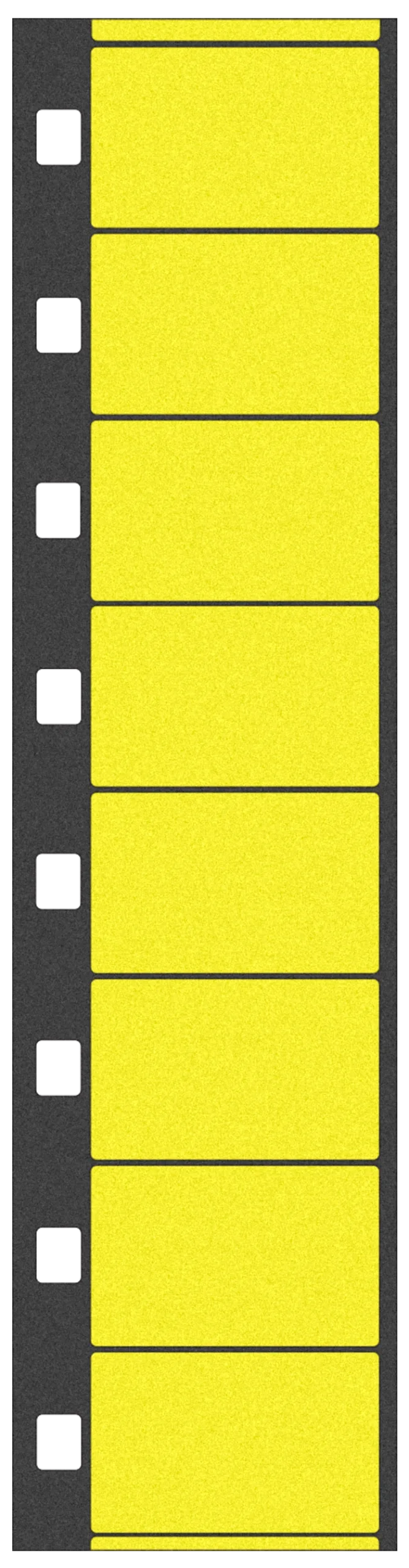
is produced from Doppel8 which is separated into individual 8mm halves after development. See Doppel8 below.
33ft / 10m - 1 min 50 sec (24fps)
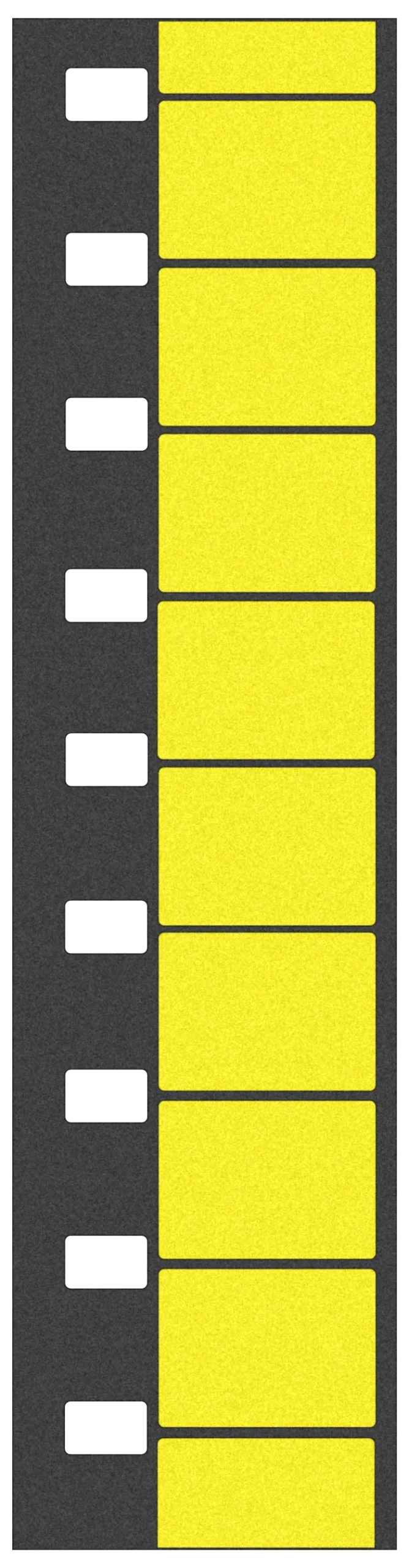
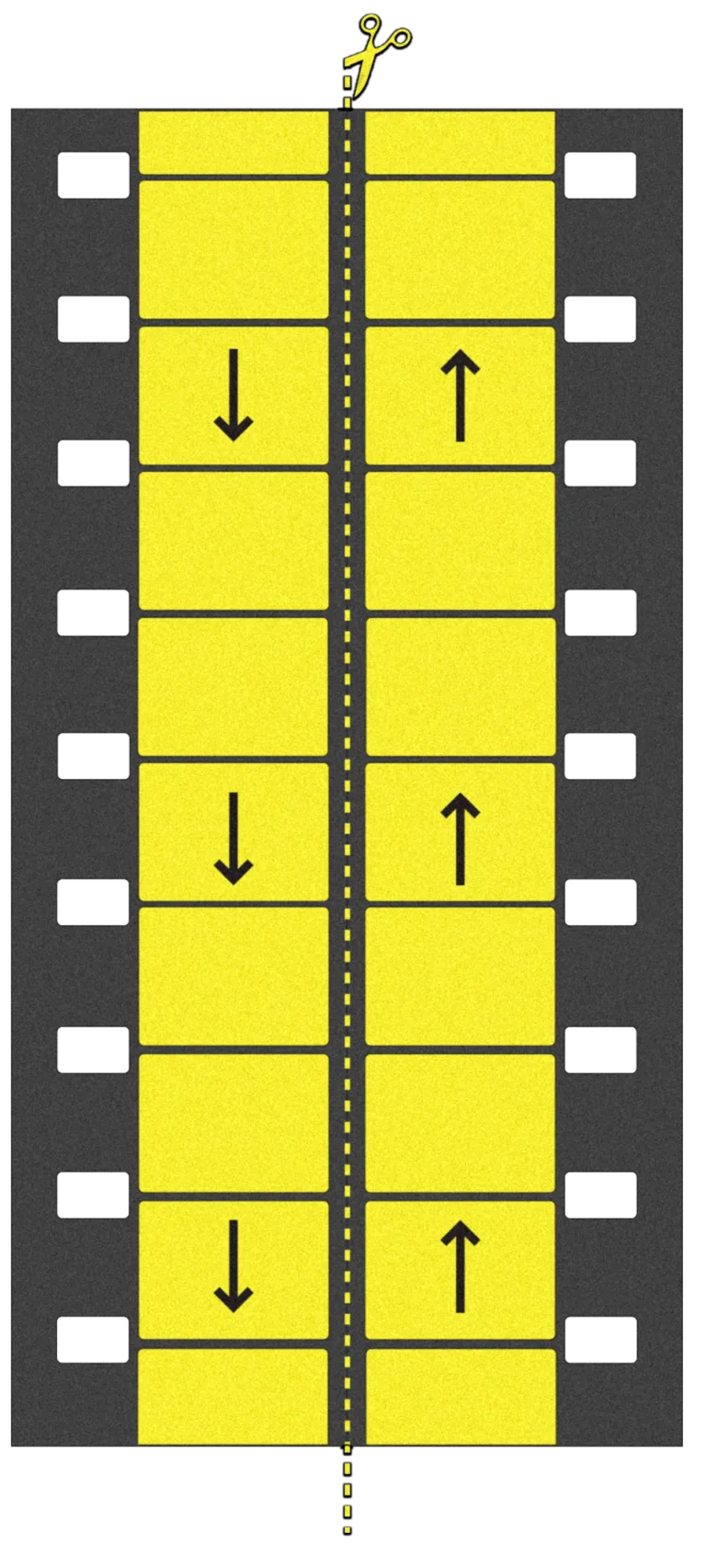
Recording format that is separated into individual normal 8mm halves after development.
2 x 33ft / 2x 10m - 1 min 50 sec (24fps) per running direction
Uncompressed log/lin raw data from Arriscan and Scanity. On request, we provide 16-bit dpx data as delivery, but advise against it for 98% of all applications, as an enormous volume of data is generated here: For five 122m rolls of 16mm in 4K (55 min), for example, approx. 8TB of 16-bit .dpx data is generated.
We recommend a visually lossless compressed ProRes 4444 deliverable instead.
Visually lossless compressed delivery codec for master files with up to 12-bit color depth and target data rate > 500 Mbit/s.
We deliver ProRes 422 HQ files as standard. In contrast to 422 and 422 LT, the HQ version has a higher target data rate and is visually almost lossless, but compresses 16-bit source data to 10 bits.
We supply the 422 Proxy Codec for productions that cut in target resolution, e.g. 4K. Compared to 422LT, it offers higher compression and a lower target data rate of less than 50 Mbit/s at native resolution.
For Avid projects, we are happy to supply proxies as DNxHD36 or according to specific requirements. As standard we deliver DNxHD proxies in .mxf container with pillarbox / letterbox.
We create H.264 deliveries with different target data rates depending on the requirements. For H.264 proxies, we choose low data rates, while if only H.264 files are required, we choose a higher data rate with less compression.
Da für die meisten Anwender:innen diese riesigen Rohdaten aber zu unpraktisch und groß sind, transkodieren wir standardmäßig alle .dpx Sequenzen in 12 Bit ProRes 4444xQ Files (ohne Alpha) und liefern diese Daten aus. Da das ProRes Codec Metdaten benötigt, sind die Files mit einem Rec 709 / Gamma 2.4 Flag versehen. „Unter der Haube“ haben die Daten aber keinerlei Color Space Conversion oder Tone Mapping, und entsprechen vollständig dem log Rohscan. Die Transcodes werden bei uns auf Filmlight Baselight erstellt und der Input bleibt bei der Wandlung vollständig erhalten. Es findet keinerlei Komprimierung des Farbraums statt, und alle 16 Bit Farbinformationen werden lediglich in die 12 Bit Range gesampeled. Dieses Oversampling führt zu besserer Qualität, als beispielsweise ein Upsampling von 10 Bit auf 12 Bit.
Ziel dieses Tutorials ist es einen möglichst einfachen und sauberen Importworkflow für Log Footage in DaVince Resolve darzulegen. Es gibt andere Methoden, die ebenfalls zum gewünschten Ergebnis führen. Dieses Tutorial hat keinen Anspruch darauf die „einzige richtige Lösung“ zu zeigen. Unserer Meinung nach liegt der Vorteil im hier dargestellten Workflow aber in der Einfachheit und in Wegfall diverser später benötigter CSTs (Color Space Transforms).
Schritt 1: Neues Projekt anlegen
Es ist wichtig hier in einem neuen „sauberen“ Projekt zu starten, da die benötigten Settings global für das Projekt gelten.

Die Projektsettings
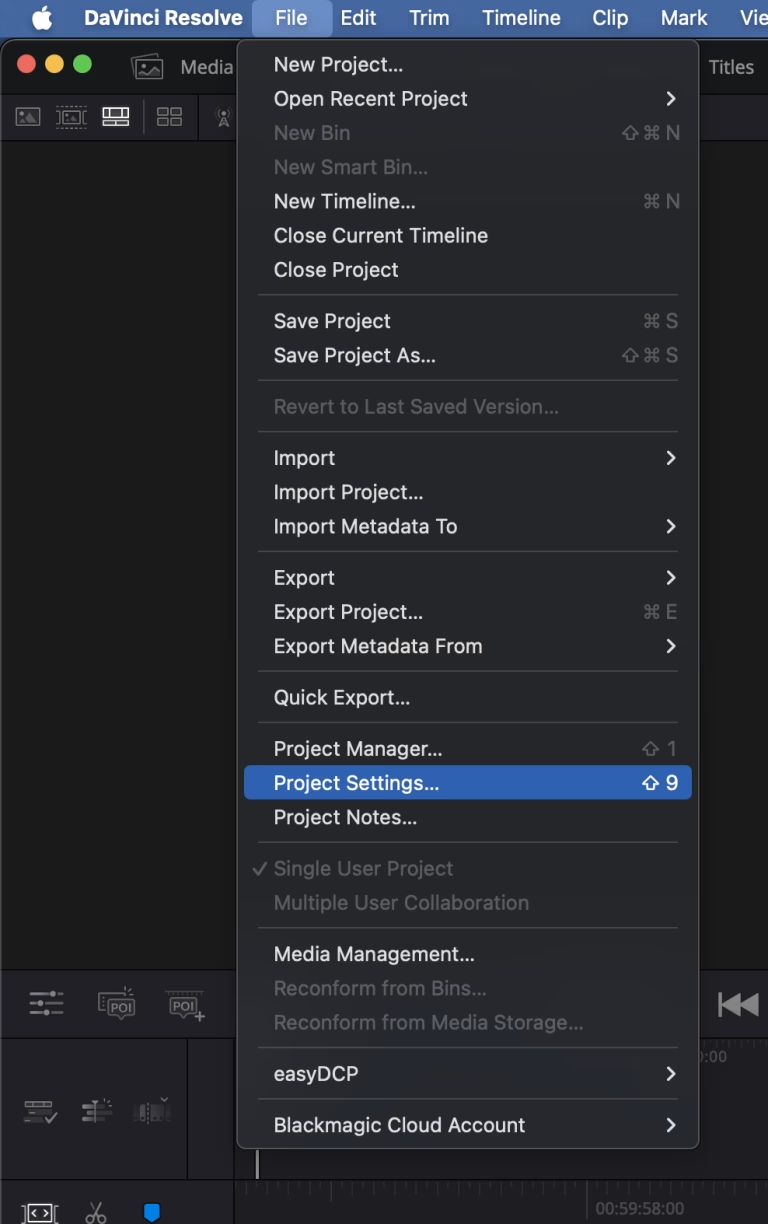
Danach unter File -> Project Settings (Shift + 9) die Projekteinstellungen öffnen
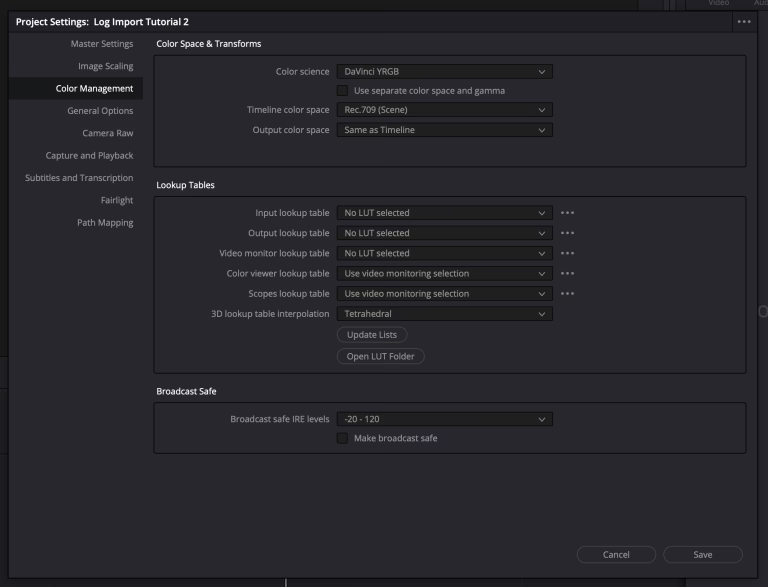
Standardsettings
Die für dieses Tutorial relevanten Einstellungen sind unter „Color Management“ zu finden. Die Standardsettings im Tab „Color Management“ sollten aussehen wie folgt:
Neue Settings: ACES
Für den sauberen Import von logarithmischen Filmscans in DaVinci Resolve ändern wir das Color Mangement nun zu ACES. Der Vorteil hier liegt in der einfacheren und unmissverständlichen Interpretation der Files und der daraus resultierenden reproduzierbaren Farbraumwandlung.
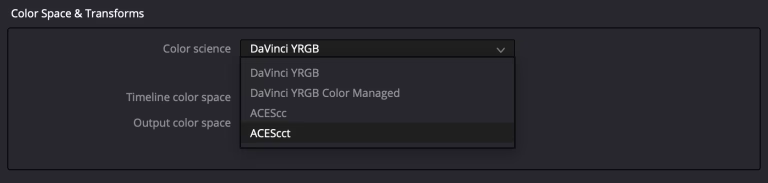
Color Space & Transforms
Hier wählen wir unter „Color Science“ ACEScct aus. ACES cct ist ein annähernd logaritmischer Farbraum innerhalb von ACES. Zwar ist ACEScct kein strikt logaritmischer Farbraum – in den Schatten linear, und in den Mitten und Lichtern logaritmisch – ist aber für das Grading von Filmscans besser geeignet als ACEScc oder ACEScg (strikt linear).
ACES Input Transforms (IDT)
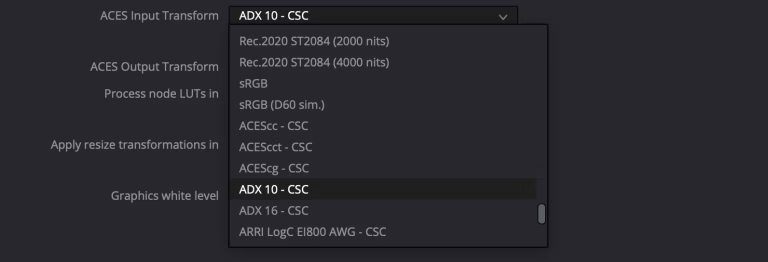
Nachdem unter Color Science „ACEScct“ ausgewählt wurde öffnet sich ein neuer Dialog mit mehr Einstellungen. Die erste davon ist „ACES Input Transform“. Hier wird ein IDT (Input Device Transform) in Form einer Color Space Conversion (CSC) ausgewählt.
Für Filmscans als ProRes 4444xQ, 422HQ die für Grading genutzt werden sollte als IDT der ADX10 – CSC
Für 16Bit .dpx Scans ADX16 – CSC auswählen. Bei ProRes Files führt ADX16 allerdings zu falscher Interpretation.
ACES Output Transform
Hier wählen wir den Farbraum aus in dem das Zielformat bearbeitet werden soll. In den meisten Fällen ist das Rec.709. Für Kinoauswertungen aber eher DCI-P3.
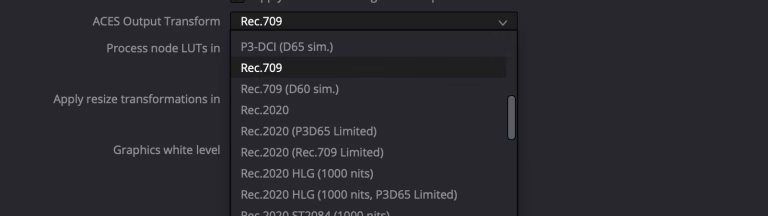
Process Node LUTs
Hier wählen wir ACEScc AP1 timeline Space aus.

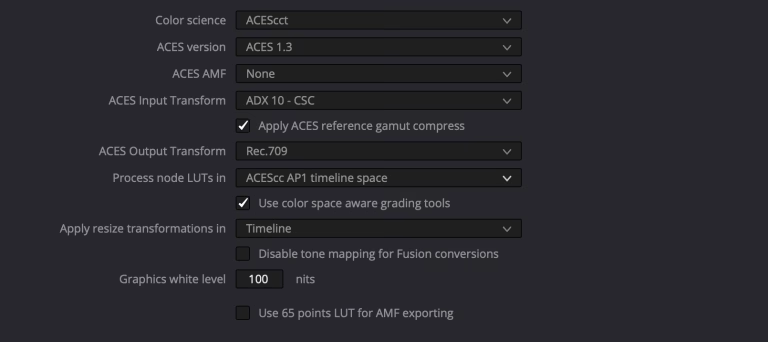
Settings Check: Color Space Aware Grading Tools & Apply ACES Reference Gamut Compress
Die Settings im „Color Space & Transforms“ Panel sollten jetzt so aussehen wie im Screenshot unten. Es ist wichtig, dass die Häkchen bei „Apply ACES reference gamut compress“ und „Use color space aware grading tools“ gesetzt sind.
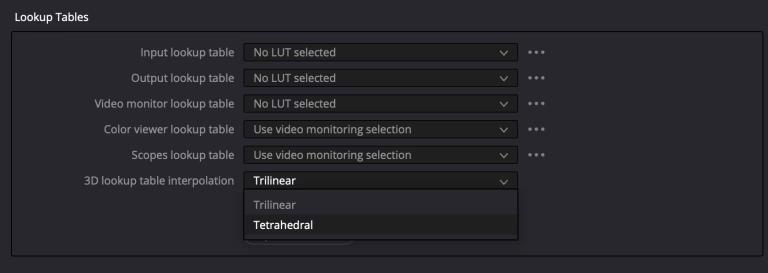
Lookup Tables
Bevor die Projektsettings gespeichert werden, sollte im Tab „Lookup Tables“ (dafür einfach ganz nach unten scrollen) noch das Feld „3D Lookup Table Interpolation“ vom Default „Trilinear“ auf „Tetrahedral“.
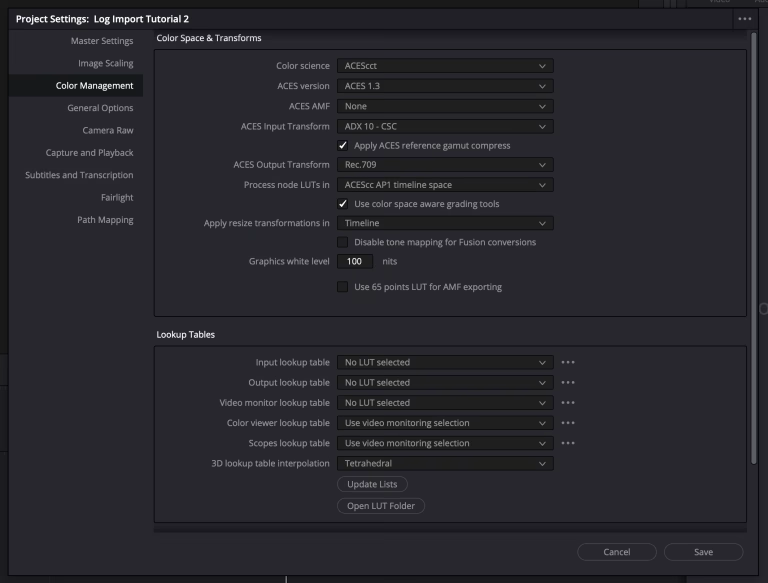
Final Check
Die Setting sollten jetzt so aussehen wie hier:
Visually lossless compressed delivery codec for master files with up to 12-bit color depth and target data rate > 500 Mbit/s.
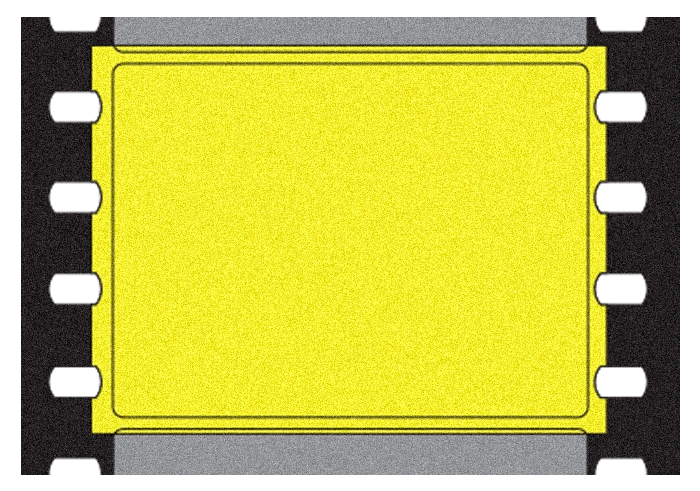
The scanned image is highlighted in green. We scan "Max Aperture" as standard with Scanity, i.e. you receive the entire area highlighted in green.
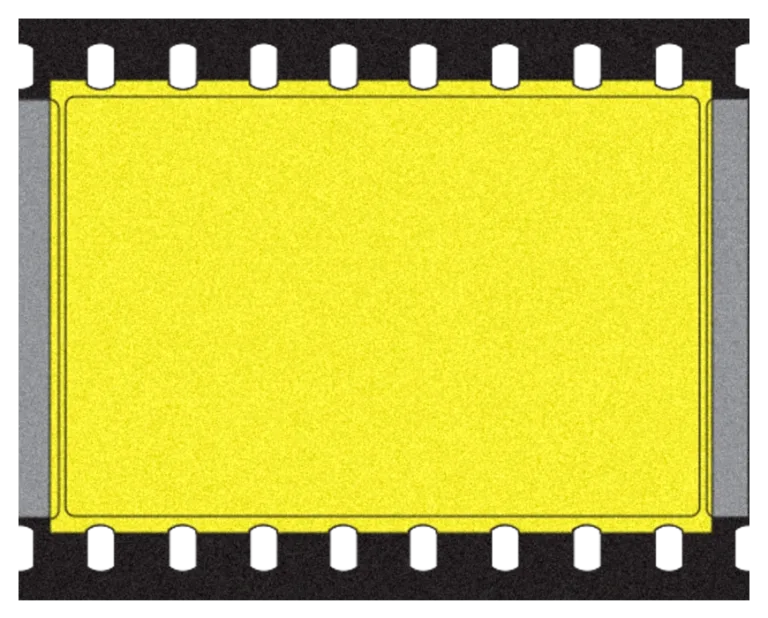
The scanned image is highlighted in green. We scan "Max Aperture" as standard with Scanity, i.e. you receive the entire area highlighted in green.
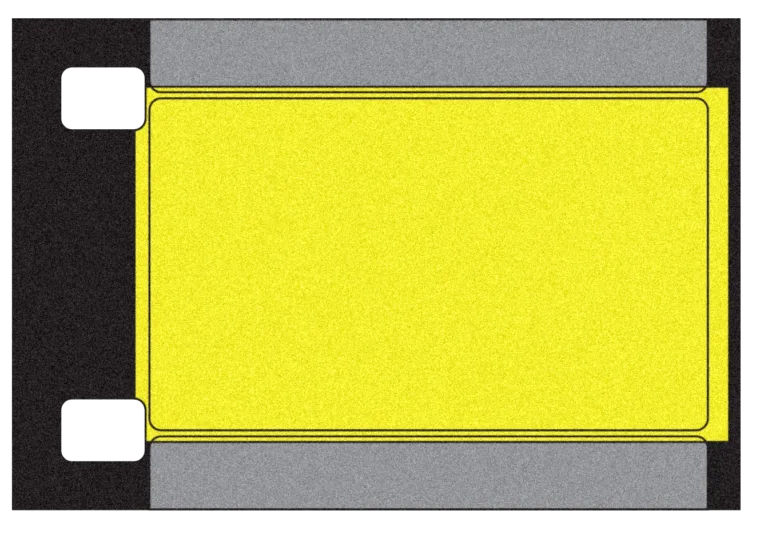
The scanned image is highlighted in green. We scan "Max Aperture" as standard with Scanity, i.e. you receive the entire area highlighted in green.
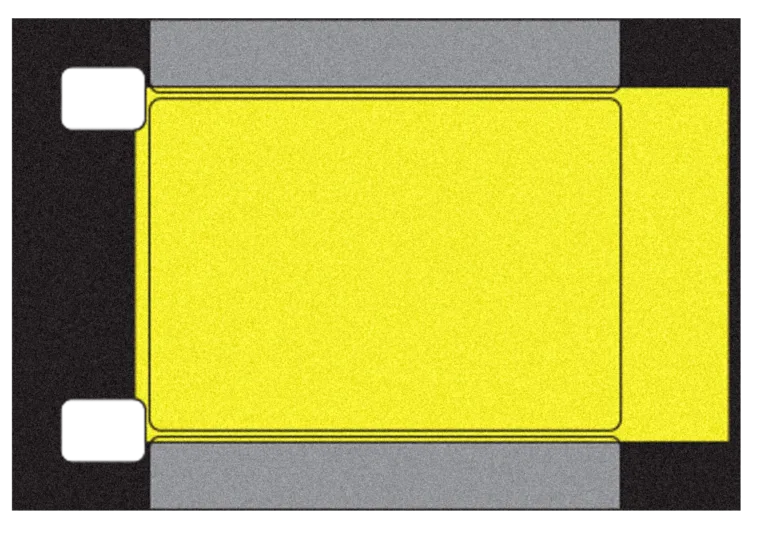
The scanned image is highlighted in green. We scan "Max Aperture" as standard with Scanity, i.e. you receive the entire area highlighted in green. For normal 16mm, we leave the unexposed Super16 area in the image.
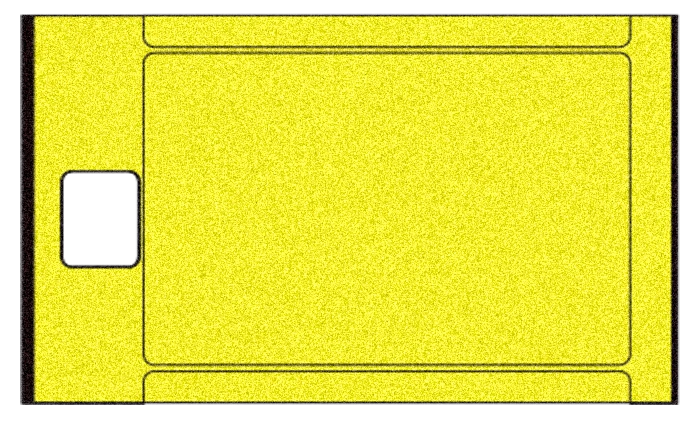
The scanned image is highlighted in green. We scan "Max Aperture" as standard with Scanity, i.e. you receive the entire area highlighted in green.

The scanned image is highlighted in green. We scan "Open Gate" as standard with the ARRISCAN, i.e. you receive the entire area highlighted in green.
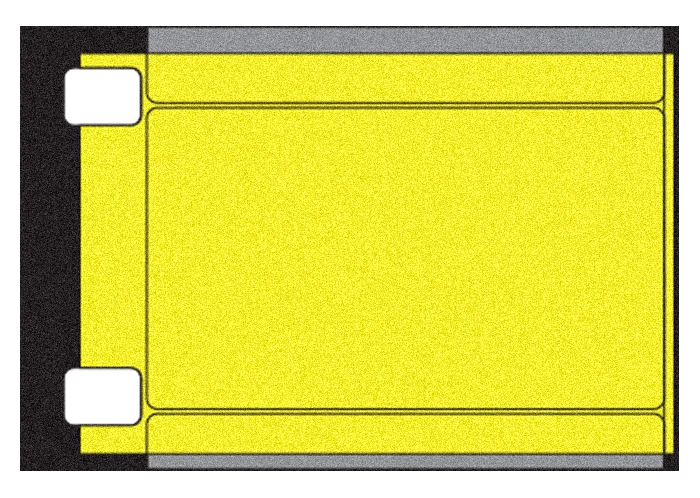
The scanned image is highlighted in green. We scan "Open Gate" as standard with the ARRISCAN, i.e. you receive the entire area highlighted in green.
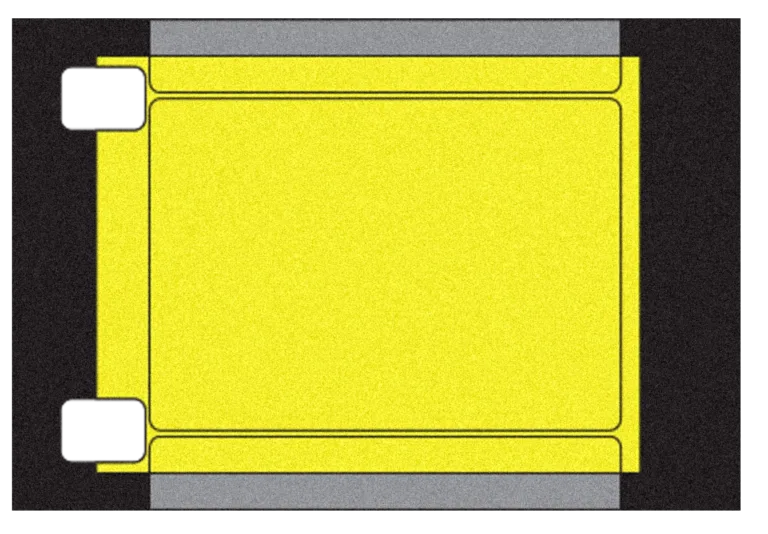
The scanned image is highlighted in green. We scan "Open Gate" with the ARRISCAN as standard, i.e. you receive the entire area highlighted in green. For normal 16mm, we perform a pitch correction - in other words, the distance between the film and the optics is adjusted so that the scan area can be maximized to the image content. The unexposed Super16 area is not scanned in this case.
The scanned image is highlighted in green. Image section: Edge to Edge.
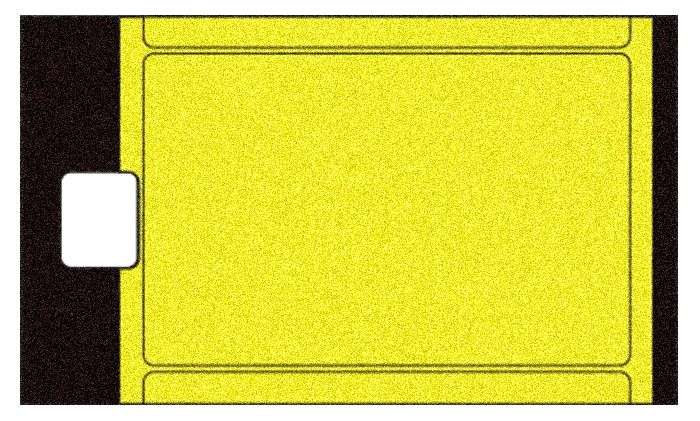
The scanned image is highlighted in green. Image detail: Overscan.
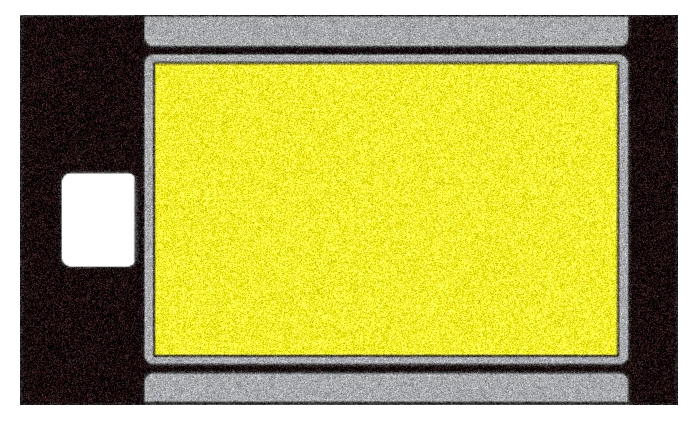
The scanned image is highlighted in green. Image detail: Cropped.
The ECN-2 process is the correct development process for color negative films such as Kodak Vision3 films. We can develop 35mm color negative film on two large continuous machines and thus handle even the largest production volumes in the shortest possible time.
We are the only motion picture lab in Europe to offer 35mm E-6 development, and are proud to have earned a reputation for technical excellence in this particularly demanding development process with projects such as "Poor Things".
The D-96 process is the correct development process for black and white negative films such as Eastman Double-X 5222 / 7222 or Orwo UN-54.
Black and white reversal material such as Kodak Tri-X Reversal is only available in Super8 and 16mm - therefore we only offer black and white reversal development in these formats.
We are the only copying plant in the world to offer Super8 copies on film specially produced for us by Kodak.
The ECP-2 process is the correct development process for Kodak Color Print films for positive projection prints. We offer the ECP process in both the ECP-2D and ECP-2E versions.
The D-97 process is the correct development process for black and white print film for positive projection prints such as Kodak 2303.
New Beginnings: Andec Cinegrell transforms into a new Andec - with more Services, New Friends and vigorous Dedication to our Craft.